The balance of function and aesthetics
The balance of function and aesthetics
Time becomes design when function meets beauty—creating objects that are practical, precise, and visually timeless.
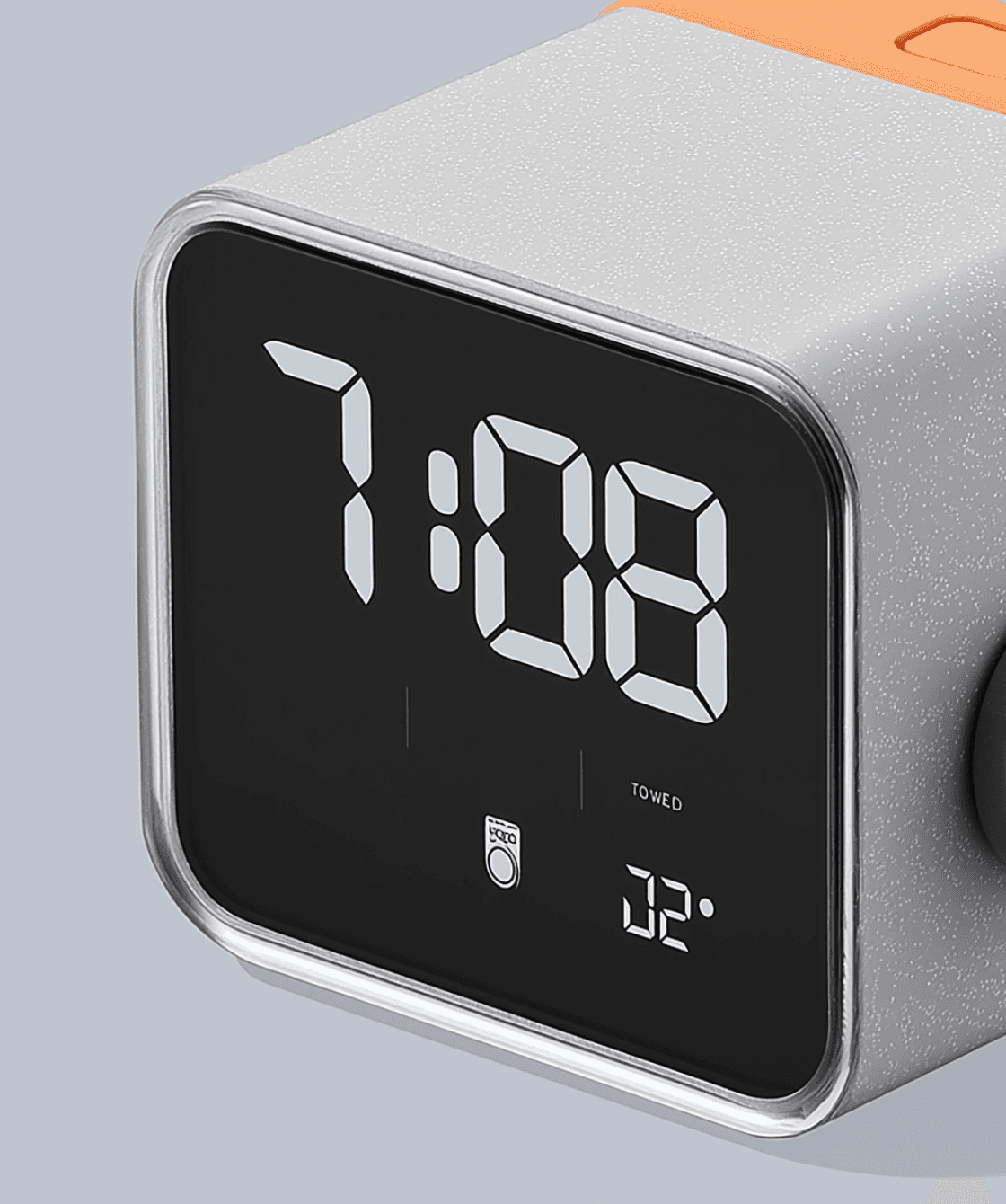
The balance of function and aesthetics
Time becomes design when function meets beauty—creating objects that are practical, precise, and visually timeless.
About
Design has always been about more than appearances. at its heart lies the delicate balance between functionality and aesthetics, where practicality meets beauty in a way that elevates both. this blog explores how designers navigate that intersection, creating work that is not only visually compelling but also purposeful and efficient. by examining the relationship between form and function, we uncover why achieving harmony between the two is essential for lasting design impact.
About
Design has always been about more than appearances. at its heart lies the delicate balance between functionality and aesthetics, where practicality meets beauty in a way that elevates both. this blog explores how designers navigate that intersection, creating work that is not only visually compelling but also purposeful and efficient. by examining the relationship between form and function, we uncover why achieving harmony between the two is essential for lasting design impact.
About
Design has always been about more than appearances. at its heart lies the delicate balance between functionality and aesthetics, where practicality meets beauty in a way that elevates both. this blog explores how designers navigate that intersection, creating work that is not only visually compelling but also purposeful and efficient. by examining the relationship between form and function, we uncover why achieving harmony between the two is essential for lasting design impact.
Challenge
Your challenge is to design something that is both practical and visually appealing, showing how function and aesthetics can complement each other to create a seamless, impactful experience.
Challenge
Your challenge is to design something that is both practical and visually appealing, showing how function and aesthetics can complement each other to create a seamless, impactful experience.
Challenge
Your challenge is to design something that is both practical and visually appealing, showing how function and aesthetics can complement each other to create a seamless, impactful experience.

Process
Balancing function and aesthetics requires intention and iteration. Designers must first deeply understand the purpose a product or experience is meant to serve. Function forms the foundation: it determines usability, accessibility, and the effectiveness of the design in solving real problems. Once this core is established, aesthetic considerations are layered in—not as decoration, but as elements that amplify the design’s purpose. Colors, materials, proportions, and visual flow become tools that guide the user, making interactions seamless and experiences memorable. This process is rarely linear; it evolves through constant testing, feedback, and refinement. By engaging both analytical and artistic perspectives, designers create outcomes that resonate on practical and emotional levels.
Process
Balancing function and aesthetics requires intention and iteration. Designers must first deeply understand the purpose a product or experience is meant to serve. Function forms the foundation: it determines usability, accessibility, and the effectiveness of the design in solving real problems. Once this core is established, aesthetic considerations are layered in—not as decoration, but as elements that amplify the design’s purpose. Colors, materials, proportions, and visual flow become tools that guide the user, making interactions seamless and experiences memorable. This process is rarely linear; it evolves through constant testing, feedback, and refinement. By engaging both analytical and artistic perspectives, designers create outcomes that resonate on practical and emotional levels.
Process
Balancing function and aesthetics requires intention and iteration. Designers must first deeply understand the purpose a product or experience is meant to serve. Function forms the foundation: it determines usability, accessibility, and the effectiveness of the design in solving real problems. Once this core is established, aesthetic considerations are layered in—not as decoration, but as elements that amplify the design’s purpose. Colors, materials, proportions, and visual flow become tools that guide the user, making interactions seamless and experiences memorable. This process is rarely linear; it evolves through constant testing, feedback, and refinement. By engaging both analytical and artistic perspectives, designers create outcomes that resonate on practical and emotional levels.
The outcome
When function and aesthetics are balanced, the result is a design that feels effortless. It is intuitive to use yet visually engaging, solving problems while also inspiring delight. Such designs stand the test of time because they fulfill human needs both practically and emotionally. A well-crafted chair provides comfort while enriching a room with its form; a digital interface becomes easy to navigate while evoking trust through its visual clarity. The outcome is a synergy where neither function nor aesthetics overshadow the other, but instead work together to create something greater than the sum of its parts.
The outcome
When function and aesthetics are balanced, the result is a design that feels effortless. It is intuitive to use yet visually engaging, solving problems while also inspiring delight. Such designs stand the test of time because they fulfill human needs both practically and emotionally. A well-crafted chair provides comfort while enriching a room with its form; a digital interface becomes easy to navigate while evoking trust through its visual clarity. The outcome is a synergy where neither function nor aesthetics overshadow the other, but instead work together to create something greater than the sum of its parts.
The outcome
When function and aesthetics are balanced, the result is a design that feels effortless. It is intuitive to use yet visually engaging, solving problems while also inspiring delight. Such designs stand the test of time because they fulfill human needs both practically and emotionally. A well-crafted chair provides comfort while enriching a room with its form; a digital interface becomes easy to navigate while evoking trust through its visual clarity. The outcome is a synergy where neither function nor aesthetics overshadow the other, but instead work together to create something greater than the sum of its parts.
Conclusion
The balance of function and aesthetics is the essence of great design. It reflects the idea that practicality does not need to be plain, and beauty does not need to be impractical. Instead, when woven together, they create experiences that connect with people in meaningful ways. In a world saturated with products and ideas, it is this balance that distinguishes enduring designs from fleeting trends. By embracing both sides of the spectrum, designers can craft work that not only meets needs but also enriches lives—reminding us that the most powerful designs are those that are both useful and beautiful.
Conclusion
The balance of function and aesthetics is the essence of great design. It reflects the idea that practicality does not need to be plain, and beauty does not need to be impractical. Instead, when woven together, they create experiences that connect with people in meaningful ways. In a world saturated with products and ideas, it is this balance that distinguishes enduring designs from fleeting trends. By embracing both sides of the spectrum, designers can craft work that not only meets needs but also enriches lives—reminding us that the most powerful designs are those that are both useful and beautiful.
Conclusion
The balance of function and aesthetics is the essence of great design. It reflects the idea that practicality does not need to be plain, and beauty does not need to be impractical. Instead, when woven together, they create experiences that connect with people in meaningful ways. In a world saturated with products and ideas, it is this balance that distinguishes enduring designs from fleeting trends. By embracing both sides of the spectrum, designers can craft work that not only meets needs but also enriches lives—reminding us that the most powerful designs are those that are both useful and beautiful.